Lawn Mowing Dalston — Recycling and Sustainability
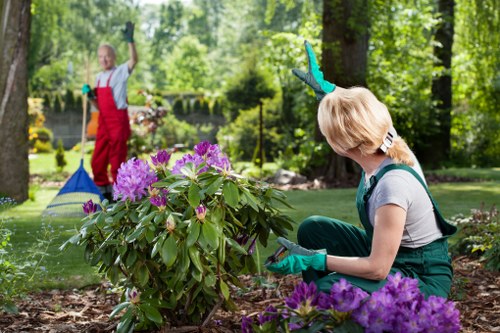 At Lawn Mowing Dalston we treat every grass cut as an opportunity to improve local environmental health. This page explains how our Dalston lawn mowing services integrate an eco-friendly waste disposal area and a dedicated sustainable rubbish gardening area into everyday lawn care Dalston residents can rely on. Whether you call our service Dalston lawn mowing, Dalston grass cutting or simply lawn care Dalston, our approach is to reduce landfill, increase reuse and support community recycling projects while maintaining tidy, healthy green spaces.
Our commitment is measurable: we have set a clear recycling percentage target for green waste and associated materials. The in-field sorting and composting we operate aim to achieve a 70% recycling rate of all collected garden and related waste by 2028. That target covers everything from grass clippings and small branches to packaging from equipment and uncontaminated soil. We report progress annually and constantly refine procedures to hit that goal.
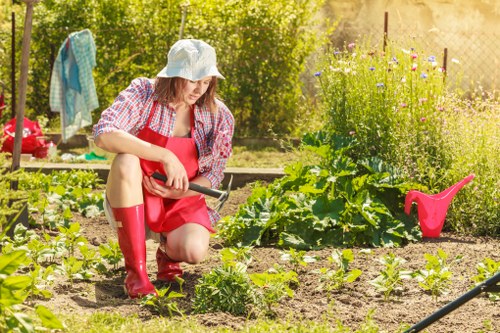 We work with borough-level waste separation systems: both Hackney and nearby borough approaches favour separate streams for food waste, garden/green waste and dry recycling. Our crew separates materials on site so that green waste can go to composting or chipping, while plastics, paper, and metals follow the local council routes for dry recycling. Typical materials we divert include:
- Grass clippings and leaves (composting or municipal green waste)
- Small woody prunings (chipped for mulch or biomass)
- Clean soil and turf (reused for landscaping projects)
- Plastics and packaging (sorted and sent to local recycling streams)
Local transfer stations are central to our low-impact logistics. We regularly use council-authorised facilities such as Hackney's local transfer and recycling centre and nearby Islington recycling points to ensure materials enter the correct recovery route quickly. By using approved transfer stations we reduce double handling, speed up processing for composting facilities and reduce the distance materials travel, which lowers the carbon footprint for each job.
 Partnerships with charities, community projects and reuse organisations are a practical part of our circular approach. Usable turf, compost and healthy potted plants are often offered to community gardens, allotment groups and local allotment societies. We collaborate with neighbourhood charities and social enterprises to find second lives for items that would otherwise be discarded: tools that are repairable, planters in good condition, and surplus topsoil that benefits community growing projects.
Our Sustainable Rubbish Gardening Area
On every job we create a temporary, clearly signed sorting area — a small sustainable rubbish gardening area where customers can see how materials are separated. This practice helps residents understand the separation required by borough schemes and encourages correct behaviour at source. Staff training and prominent labels ensure minimal contamination and maximum capture of recyclable material; visible sorting also helps residents make informed choices about landscaping waste.Low-Carbon Vans and Greener Transport
Our fleet strategy emphasises low-carbon vans and route efficiency. We operate a mix of electric vans, low-emission hybrids and, where practical, pedal-assist cargo bikes for very local jobs. Vehicle telematics and route optimisation software reduce mileage and idle time, cutting emissions from our Dalston grass cutting runs. We have a fleet emissions reduction target to lower operational transport emissions by 40% within five years compared with our current baseline.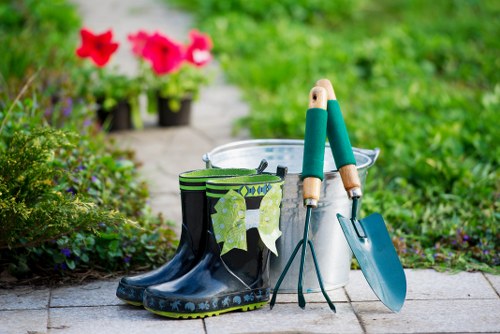 Monitoring and transparent reporting underpin our work. We audit waste streams regularly, maintain records of tonnages sent to composting, recycling and reuse partners, and publish an annual sustainability summary for community stakeholders. If a load requires specialist handling (treated timber, contaminated soil, or hazardous small items) we use licensed carriers and transfer stations to ensure legal and environmentally sound disposal.
 How you can help: small actions add up. Clients can pre-sort clippings and garden waste where possible, point out items for reuse and let us know about nearby community projects that accept soil or plants. We provide guidance on reducing contamination, advise on lawn care choices that reduce waste, and suggest alternatives such as mulching mowers that leave nutrient-rich clippings on the lawn for natural recycling.
In practice, our Dalston lawn mowing teams blend practical on-site sorting, partnerships with local transfer stations and charities, and a low-carbon transport plan to keep green waste out of landfill and support a circular approach to garden resources. By combining local knowledge of borough waste separation rules, visible sustainable rubbish gardening areas, and a clear recycling percentage target, Lawn Mowing Dalston aims to be the responsible choice for anyone seeking environmentally conscious lawn care in Dalston and neighbouring areas.
Our promise: continue to improve reuse and recycling rates, maintain transparent reporting and expand partnerships with community organisations so that every service we deliver supports greener neighbourhoods and healthier urban ecosystems.