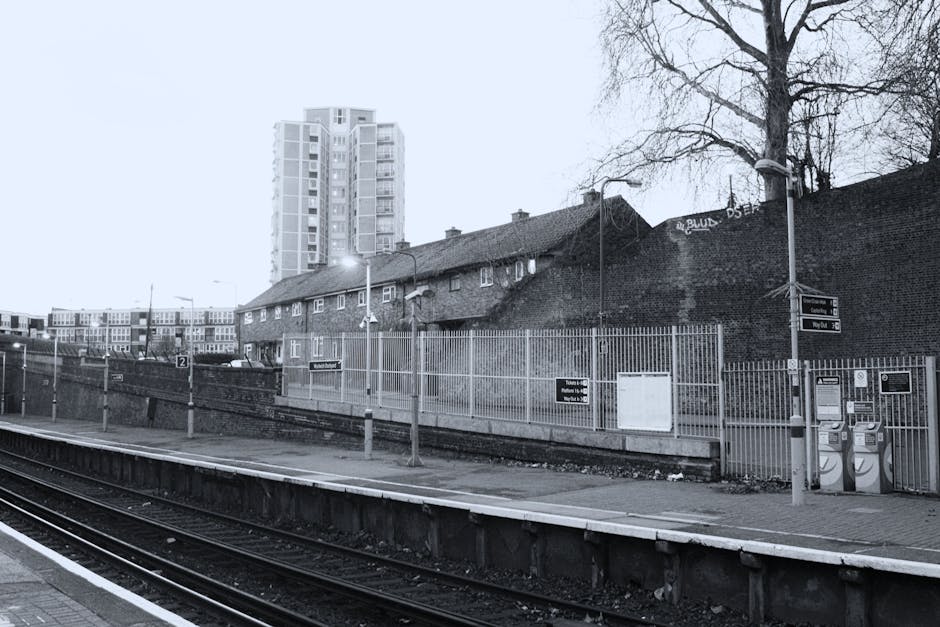
Gardening services for flats near Dalston Junction station
Living in a flat near Dalston Junction station has its own rhythm. You get the energy of East London, quick transport links, and those compact outdoor spaces that can be either a tiny delight or a constant headache. One week the balcony looks bright and full of life; the next, the plants are leaning, the pots are dry, and the whole space feels a bit forgotten. That is exactly where gardening services for flats near Dalston Junction station can make a real difference.
Whether you have a small balcony, a shared courtyard, a roof terrace, or a narrow patio tucked behind a block, the right gardening support can turn limited space into something calm, attractive, and genuinely usable. In practice, it is not just about making things look neat. It is about choosing the right plants, working safely in tight access areas, managing drainage and wind exposure, and keeping maintenance realistic for a busy London lifestyle. If you want a broader picture of what professional help can include, you may also find our gardening services overview useful.
This guide breaks down how flat gardening services work, who they suit, what to expect, and the common mistakes worth avoiding. It also covers local best practice, practical decision-making, and a few real-world details that tend to get missed. Truth be told, a small outdoor space can become a proper feature of your home if it is handled well.
Table of Contents
- Why Gardening services for flats near Dalston Junction station Matters
- How Gardening services for flats near Dalston Junction station Works
- Key Benefits and Practical Advantages
- Who This Is For and When It Makes Sense
- Step-by-Step Guidance
- Expert Tips for Better Results
- Common Mistakes to Avoid
- Tools, Resources and Recommendations
- Law, Compliance, Standards, or Best Practice
- Options, Methods, or Comparison Table
- Case Study or Real-World Example
- Practical Checklist
- Conclusion
- Frequently Asked Questions
Why Gardening services for flats near Dalston Junction station Matters
Flat gardens in and around Dalston Junction are rarely big, but they are often high-value spaces in daily life. A tidy balcony or courtyard can give you somewhere to drink coffee, read, grow herbs, or just stare out for five quiet minutes before the day starts. That may sound small, but in a busy part of London, those little moments matter more than people admit.
The challenge is that flat outdoor spaces are usually less forgiving than a typical back garden. They can be windier, shadier, harder to access, and more exposed to drying out. If the space is shared, you may also need to think about building rules, noise, waste removal, and access times. A good local gardener understands all of that and plans accordingly.
There is also the practical side. Plants in containers need different care from plants in open soil. Drainage matters. Weight limits matter. Even the direction your balcony faces can change what will thrive. That is why a one-size-fits-all approach usually falls flat, and a bit of local expertise goes a long way.
For residents, landlords, and property managers, this kind of service is often about more than aesthetics. It can support tenant satisfaction, reduce complaints about untidy communal spaces, and keep outdoor areas usable through the seasons. If your building includes shared planting or communal access areas, you might also want to look at garden maintenance as part of the ongoing plan.
How Gardening services for flats near Dalston Junction station Works
In most cases, the process starts with a site visit or photo assessment. The gardener will want to know what kind of space you have, how much light it gets, what access is like, and whether you want a full makeover or just reliable maintenance. Simple enough, but these details change everything.
For flat-based jobs, the work often falls into one or more of these areas:
- Container planting: choosing and arranging pots, planters, and troughs for balconies or terraces.
- Seasonal refreshes: swapping tired plants for fresh colour or structure.
- Regular maintenance: watering, feeding, deadheading, pruning, and clearing debris.
- Green tidy-ups: restoring order after a period of neglect, travel, or bad weather.
- Communal area care: looking after shared courtyards, entrance planters, and small landscaped sections.
A decent service is usually tailored, not bundled blindly. For example, a north-facing balcony near Dalston Junction may need shade-tolerant plants and careful watering, while a south-facing terrace might need drought resistance and wind protection. Same postcode, very different reality. That is the bit people overlook.
If you are comparing providers, it helps to see whether they also offer related support such as garden design or planting services. Those services can be especially useful if you are starting from scratch and want the space to feel coherent rather than pieced together over time.
Key Benefits and Practical Advantages
The value of professional flat gardening is easy to underestimate until you live with a well-managed space. Then you notice the difference every day. A clean, balanced outdoor area simply feels better.
- Better use of limited space: compact layouts can still feel layered, green, and comfortable.
- Less maintenance stress: someone else handles the routine jobs you may not have time for.
- Plants that actually survive: species are matched to light, shelter, and container conditions.
- Cleaner, safer spaces: dead growth, spills, slippery mess, and overflowing pots are dealt with properly.
- Improved kerb appeal: useful for landlords, sales listings, and day-to-day pride in the home.
- Seasonal flexibility: you can change the look without committing to major landscaping work.
There is also a quieter benefit: consistency. Many flat gardens fail because people buy plants on impulse, water them erratically, and hope for the best. That works for a week or two. Maybe three if you are lucky. A service plan gives structure, which is often what small spaces need most.
If you are trying to make a balcony feel like an extra room, not just a storage ledge for two sad pots and a chair nobody uses, professional help can be a real shortcut. Not a miracle. Just a smarter way to get a result that lasts.
Who This Is For and When It Makes Sense
Not every flat owner needs gardening support every month. But there are several situations where it makes immediate sense.
- Busy professionals: you want greenery without spending your only free hour wrestling with compost.
- Landlords: keeping balconies and communal planters in good shape can help maintain presentation.
- Property managers and block managers: regular care avoids the awkward slow drift into neglect.
- People new to plants: a little expert guidance can prevent expensive mistakes.
- Residents with mobility or access limits: containers and roof spaces can be awkward to manage alone.
- Anyone preparing for a sale or rental viewings: first impressions are everything, let's face it.
It also makes sense after a period of neglect. Maybe you have just moved in and inherited a balcony full of broken pots. Maybe the previous summer was hot and everything got crispy. Or maybe the space has been fine, but only because you have been quietly ignoring it since March. No judgement. Happens all the time.
If your needs are more about regular upkeep than a one-off tidy, it may be worth comparing lawn care and maintenance options for any shared ground-level areas, alongside specialist flat gardening support.
Step-by-Step Guidance
If you are booking gardening support for a flat near Dalston Junction, the process is usually straightforward. Still, a step-by-step approach helps you make better decisions and avoid paying for work you do not really need.
- Assess the space honestly. Note the size, direction, access, wind exposure, and any restrictions from the building.
- Decide what matters most. Is it colour, privacy, edible planting, easy care, or simply a tidy finish?
- Gather a few photos. Good pictures help a gardener understand the space quickly, especially if it is awkward to access.
- Choose the service level. One-off refresh, seasonal planting, or ongoing maintenance all solve different problems.
- Ask what is included. Clear scope matters. Pot replacement, compost, plant supply, waste removal, and watering schedules should be discussed early.
- Agree on access and timing. Flat work can involve building entry, concierge coordination, and considerate time windows.
- Plan the aftercare. Even good planting needs a bit of routine. Ask how often watering or check-ins are likely to be needed.
A small but useful tip: write down any plant dislikes before work begins. If you hate strong smells, say so. If you do not want anything that sheds onto the neighbour's balcony, say that too. It saves hassle later. And yes, neighbours do notice.
Expert Tips for Better Results
The best flat gardens are rarely the most expensive ones. They are the most considered. That is the real secret.
- Start with light, not looks. A sunny balcony and a shaded courtyard need completely different planting choices.
- Use containers with drainage. Waterlogging is a common killer in flat settings.
- Choose sturdy plants for exposed sites. Wind can shred delicate growth surprisingly fast.
- Layer for structure. Use a mix of tall, medium, and trailing plants to create depth in small spaces.
- Keep maintenance realistic. If you travel often, avoid high-input planting unless someone else is caring for it.
- Think in seasons. A space that looks good in May may need a completely different approach by October.
One of the more common mistakes is trying to make a balcony look like a full garden bed. It is not. It is its own environment, with its own limits. Once you accept that, decisions get easier and the results get better. Funny how that works.
For deeper planning, a provider who can also advise on balcony gardening or container gardening will often give you more useful long-term value than someone who just tidies and leaves.
Common Mistakes to Avoid
Small spaces magnify mistakes. A single bad choice can dominate the whole area. The good news is that most problems are avoidable once you know what to look for.
- Buying plants before checking conditions. Sun, shade, wind, and watering access should come first.
- Overcrowding pots. Flat gardens need breathing room or they start to look messy very quickly.
- Ignoring weight limits. This is especially important on balconies and roof terraces.
- Forgetting drainage. Water trapped in containers can damage roots and create mess.
- Choosing high-maintenance plants by impulse. Beautiful in the shop, troublesome at home. Happens constantly.
- Leaving maintenance too long. A few missed weeks can turn tidy planting into a patchy, tired-looking corner.
Another quiet issue is scale. People often choose pots that are too small because they seem neat at first. Then the plants dry out quickly, topple over, or outgrow the space. Slightly larger containers usually perform better, even if they look modest on day one.
Tools, Resources and Recommendations
You do not need a shed full of equipment to maintain a flat garden properly. But the right tools make a big difference.
| Tool or Resource | Why It Helps | Best For |
|---|---|---|
| Watering can or compact hose solution | Makes watering easier in tight access areas | Balconies and terraces |
| Quality compost suited to containers | Supports better root health and moisture retention | Planters and pots |
| Pruning shears | Keeps growth neat and encourages healthy shaping | Regular maintenance |
| Moisture meter | Helps avoid guesswork with watering | Beginners and busy residents |
| Weather-tolerant plant selection guide | Helps match plants to real local conditions | Planning and replacement planting |
If you are working with a professional, ask whether they source plants, provide ongoing maintenance, and remove waste after the job. Those details matter more than people think. A tidy finish is only tidy if the empty bags, spent soil, and clipped stems are actually taken away.
For broader home and outdoor upkeep, some readers also look at related services such as hedge cutting for boundary planting or tree surgery where trees or overgrown branches affect light and space. Those are not always relevant to flat living, but in mixed-use buildings they can be part of the picture.
Law, Compliance, Standards, or Best Practice
Flat gardening near Dalston Junction does not usually involve heavy regulation, but there are still sensible standards and building-related rules to respect. This is where a careful provider earns trust.
In shared buildings, access arrangements, noise considerations, waste handling, and communal-area permissions may all matter. Leasehold properties and managed blocks can have their own requirements for contractor access or working hours. If you are unsure, check with the building manager or freeholder before major changes, especially if you are altering shared planters or installing heavier containers.
For balconies and roof terraces, weight loading deserves real attention. Large planters, wet compost, and water retention can add up quickly. A responsible gardener will not guess on structural matters. They should flag concerns and keep the planting plan practical. Better safe than sorry, honestly.
Good practice also means using suitable disposal methods for green waste, protecting common areas from mess, and avoiding chemicals or treatments that could affect neighbours or pets. If a provider mentions sustainable methods, ask what that actually means. Sometimes it is genuinely useful. Sometimes it is just a nice-sounding phrase.
Where treated timber, railings, or external fixtures are involved, care should be taken not to damage waterproofing, finishings, or building fabric. That is especially important in older London blocks where repairs can become expensive very quickly.
Options, Methods, or Comparison Table
There are several ways to manage greenery for flat residents near Dalston Junction. The right choice depends on budget, time, and how hands-on you want to be.
| Option | Best For | Pros | Trade-Offs |
|---|---|---|---|
| One-off tidy-up | Neglected balconies or seasonal resets | Fast improvement, lower initial cost | Needs follow-up to stay looking good |
| Seasonal planting refresh | People who want colour without constant work | Fresh look, adaptable throughout the year | Requires periodic replacement or updates |
| Regular maintenance plan | Busy residents and shared spaces | Consistency, better plant health, less stress | Ongoing commitment |
| Design-and-install package | New residents or total makeovers | More cohesive result, tailored planting | Usually higher upfront investment |
If you are uncertain, start with a one-off assessment. A good gardener can tell you whether a refresh, maintenance plan, or redesign will give the best result. That initial bit of honesty saves money. Not glamorous, but useful.
Case Study or Real-World Example
Here is a realistic example from the kind of work that comes up often around transport-heavy London neighbourhoods. A resident in a flat a short walk from Dalston Junction had a narrow balcony that was getting very little use. The space held three mismatched pots, a folding chair, and a plant that had clearly been trying its best for a long time. You could almost hear the poor thing sighing in the wind.
The problem was not lack of interest. It was lack of structure. The balcony faced a breezy aspect, so delicate plants kept failing. Watering was irregular because the resident worked long hours and travelled at weekends. The result was a space that felt more like a chore than a retreat.
The solution was simple and realistic: hardier container plants, better drainage, a compact planting layout, and a maintenance routine that could be managed in small bursts. The finished space was not extravagant. That was not the point. It became calm, green, and easy to enjoy after work. A place to put a mug down and breathe for a minute.
That is usually the real win with flat gardening. Not perfection. Just a space that fits your life.
Practical Checklist
Before booking or starting work, run through this checklist. It keeps things grounded and avoids the usual surprises.
- Measure the space and note any awkward access points.
- Check light levels at different times of day.
- Confirm building rules for access, noise, and shared areas.
- Decide on the main goal: tidy, design, planting, or maintenance.
- List any preferences for colour, scent, edible plants, or low-allergy options.
- Ask about drainage and weight if you have a balcony or roof terrace.
- Clarify waste removal and whether old pots or soil will be taken away.
- Set a maintenance schedule if the space needs more than occasional attention.
- Request suitable plant suggestions for London conditions, not generic catalogue choices.
- Plan the next season so the space does not drift into decline later on.
Expert summary: The best gardening support for a flat near Dalston Junction is usually the one that balances design, practicality, and maintenance realism. If a plan looks lovely but cannot survive your actual lifestyle, it is the wrong plan.
Conclusion
Gardening services for flats near Dalston Junction station are about making compact outdoor spaces genuinely useful, not just visually polished. With the right approach, a balcony, courtyard, or terrace can become a calm extension of the home, even in a busy part of London. The key is to match the service to the space: light, access, weather exposure, and how much care you can realistically give it.
To be fair, the best results usually come from small smart choices rather than dramatic overhauls. Better plants. Better containers. Better maintenance. That is often enough to transform the feel of a flat without turning your life upside down.
If you are weighing up your options, start with a clear assessment and a service that fits your space rather than forcing the space to fit the service. That mindset tends to save time, money, and a fair bit of frustration.
Get a free quote today and see how much you can save.
And if all you do next is make one corner greener and calmer, that is still a proper improvement. Sometimes that is exactly enough.
Frequently Asked Questions
What do gardening services for flats near Dalston Junction station usually include?
They often include container planting, balcony or terrace tidy-ups, seasonal refreshes, watering support, pruning, deadheading, and ongoing maintenance. Some services also cover waste removal and plant sourcing.
Can a gardener work on a small balcony or roof terrace?
Yes. In fact, small balconies and roof terraces are common jobs for flat-focused gardening. The main considerations are access, weight limits, drainage, and choosing plants that suit the conditions.
How often will a flat garden need maintenance?
That depends on the planting style, exposure, and season. Some spaces need weekly or fortnightly care, while others can be managed with less frequent visits. Container gardens usually need more attention than planted borders.
Is it worth paying for professional help if I only have a few pots?
It can be. A few well-chosen pots can still make a big difference to the feel of a flat. Professional help is especially useful if you want the plants to last, not just look good for a couple of weeks.
What should I ask before booking a gardener for my flat?
Ask what is included, whether plant supply is part of the job, how waste will be handled, how access works, and whether they have experience with balconies, courtyards, or other compact spaces.
Do balcony gardens need special plants?
Usually, yes. Balconies can be windier and drier than ground-level gardens, so tough container-friendly plants often perform better. The exact choice depends on light, shelter, and how much watering you can manage.
Can gardening services help with communal areas in apartment buildings?
Yes. Many services can look after shared planters, courtyard features, and entrance displays. For communal spaces, it is wise to confirm permissions and maintenance arrangements with the building manager first.
How do I know if my flat garden has too much shade or sun for a plant?
A good gardener will assess the space at different times of day and recommend plants accordingly. If you are doing it yourself, watch where direct light falls morning, afternoon, and evening. That tells you more than guesswork ever will.
What are the most common mistakes with flat gardening?
The biggest ones are poor drainage, overcrowding, choosing the wrong plants for the exposure, and leaving maintenance too long. Another common issue is ignoring building rules or balcony weight considerations.
Is seasonal planting a good option for flats near Dalston Junction?
Yes, especially if you like a space that changes through the year without a full redesign. Seasonal planting is a practical way to keep a flat looking fresh while staying flexible and manageable.
Do I need permission to change a balcony or shared planter?
Sometimes, yes. It depends on your lease, building management, and whether the changes affect shared areas or building fabric. If you are unsure, check before making anything permanent or heavy.
What makes a good flat gardening service different from a general gardener?
A good flat gardening service understands the limits of compact urban spaces. They know about access, drainage, wind exposure, container choice, and realistic maintenance. That specialist mindset usually makes the biggest difference.