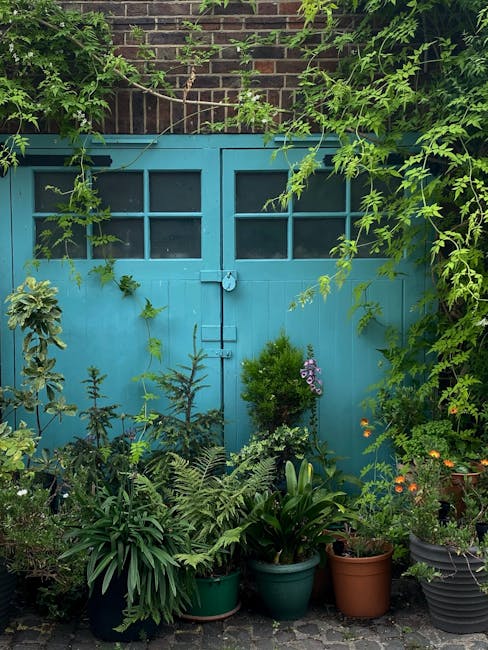
Gardening Mistakes Dalston Homeowners Make: What Goes Wrong and How to Fix It
Dalston gardens can be a bit of a mixed bag. Some are small but lush, some are paved with just enough planting to keep things interesting, and some are squeezed between fences, sheds, and busy London life. That makes gardening mistakes Dalston homeowners make surprisingly easy to spot. A rushed mow, the wrong plant in the wrong place, a hedge left too long, or drainage ignored for one wet winter - and suddenly the garden feels more stressful than soothing.
If that sounds familiar, you are not alone. Truth be told, most garden problems do not start big. They start with small habits that look harmless at first. In this guide, we will look at the most common mistakes, why they matter in a Dalston setting, and what a better approach looks like in everyday terms. Whether you are trying to keep a modest back garden tidy or planning a bigger refresh, this should help you make calmer, smarter decisions.
Table of Contents
- Why these mistakes matter
- How garden mistakes build up over time
- The benefits of getting the basics right
- Who this is for
- A practical step-by-step approach
- Expert tips for better results
- The most common mistakes to avoid
- Tools, resources and sensible recommendations
- Law, compliance and best practice
- Options and comparison table
- Real-world example
- Practical checklist
- Conclusion
- Frequently asked questions
Why Gardening Mistakes Dalston Homeowners Make Matters
A garden is not just a patch of green. It affects how your home feels, how much work you are signing up for, and even how well outdoor spaces cope with London weather. In Dalston, where gardens can be compact, shady, exposed to neighbouring buildings, or heavily used, mistakes tend to show up fast.
One missed season of maintenance can mean more than a few weeds. It can mean compacted soil, patchy grass, blocked drainage, overgrown boundaries, and plants that never really settle. Then there is the time cost. A job that could have been quick in spring becomes a bigger, more frustrating project by autumn. And let's face it, nobody wants to spend a Saturday fighting brambles with a blunt pair of shears.
It also matters because gardens in built-up areas need a little more judgement. Shade from walls and trees, less airflow, hard surfaces reflecting heat, and limited storage for tools all affect how you care for the space. A method that works in a spacious suburban lawn can flop badly here.
Expert summary: Most garden problems are not caused by one dramatic error. They come from small, repeated habits: mowing badly, pruning at the wrong time, ignoring soil conditions, or choosing plants that are awkward for the space.
How Gardening Mistakes Dalston Homeowners Make Works
Garden mistakes usually work in layers. First comes a small issue - maybe grass gets cut too short, or a hedge is trimmed a bit unevenly. Then that issue creates another. Short grass dries out faster. Uneven hedge cuts leave gaps. Gaps invite more weeds, more light imbalance, and sometimes more pests or disease.
In a garden with poor soil or limited sun, the effects are even more obvious. A plant that is already struggling does not have much margin for error. Add heavy foot traffic, poor watering, or a rushed clearance job, and the whole space starts to slide.
That is why the best garden care is usually about rhythm rather than heroics. Small, regular maintenance beats occasional panic-clearing almost every time. If the job feels too large, a structured service such as garden maintenance can help keep everything on track without letting the garden run away from you.
There is a simple pattern here:
- Identify what the space needs, not what looks quickest.
- Work with the garden's light, soil, moisture, and layout.
- Keep tasks regular instead of waiting for visible chaos.
- Use the right method for each plant, lawn, hedge, or surface.
Key Benefits and Practical Advantages
Getting the basics right does not just make a garden look nicer. It saves effort and usually saves money too. A well-timed cut, a proper clean-up, or the right plant choice can prevent a lot of avoidable rework later.
- Less wasted time: You spend less effort fixing problems that should never have started.
- Healthier plants: Plants rooted in the right place generally need less rescue work.
- Cleaner boundaries: Tidy hedges and edges make the whole property feel sharper.
- Better lawn performance: Lawns recover faster when mowing and feeding are sensible.
- Safer outdoor spaces: Clear paths, trimmed growth, and sensible pruning reduce trip and snag hazards.
There is also a very practical benefit that is easy to miss: confidence. When you know what to do, you stop second-guessing every cut, every plant purchase, every patch of bare soil. That calm makes a garden much easier to live with.
If you are comparing help from a local team, it can be useful to start with the wider services overview and then decide whether you need regular upkeep, a one-off tidy-up, or something more involved like landscaping.
Who This Is For and When It Makes Sense
This guide is for anyone who wants a better-looking garden without turning every weekend into a rescue mission. It is especially relevant if you:
- have a small or awkwardly shaped garden and never quite know where to start
- have recently moved into a property and inherited an overgrown outdoor space
- want to improve your lawn, hedges, borders, or patio area without overcomplicating things
- keep making the same seasonal mistakes, year after year
- are weighing up DIY care versus professional help
It also makes sense if your garden includes features that need more careful handling. For example, older trees, boundary hedges, timber structures, or hard landscaping can all shift what "good maintenance" looks like. A hedge is not just a hedge once it starts blocking light to a neighbour. A tree is not just a tree if it is shading half the garden and dropping limbs after windy weather. You get the idea.
If your outdoor space is becoming unmanageable, a one-off garden clearance can be the right reset before you decide what stays, what goes, and what needs a proper plan.
Step-by-Step Guidance
Here is a sensible way to think about garden care without getting overwhelmed.
1. Walk the garden slowly
Do not start with the tools. Start by looking. Notice where water sits after rain, which parts get afternoon sun, what is crowded, and which plants are clearly thriving versus just hanging on. A five-minute walk can reveal more than an hour of random trimming.
2. Deal with obvious safety or access issues first
Clear trip hazards, blocked paths, loose branches, and anything that is touching windows or clinging over fences. If you have large limbs or damaged trees, that is usually the point to think carefully about tree lopping and removal rather than trying to bodge it yourself.
3. Sort the lawn before obsessing over borders
Many homeowners skip straight to the pretty bits. Fair enough, flowers are more exciting. But lawns are often the quickest way to improve how a garden feels. A clean cut, trimmed edge, and proper follow-up care can change the whole look. If the grass is patchy or uneven because of poor cutting habits, a professional lawn mowing approach may be the simplest fix.
4. Prune with a reason
Do not cut just because something looks untidy. Ask what the plant needs: more light, more air, less weight, or just a neater shape. A bad prune can set a shrub back for months.
5. Match plants to the conditions
If a border is shady and dry, do not keep forcing sun-loving plants into it. That is gardening by stubbornness, and stubbornness usually loses. Choose plants that fit the site, not the catalogue picture.
6. Keep a simple maintenance rhythm
Weekly or fortnightly checks are usually enough for many domestic gardens. The point is consistency. A garden that is touched often but lightly tends to behave much better than one that is attacked irregularly.
Expert Tips for Better Results
These are the little things that make a surprising difference.
- Cut less, more often: Especially with lawns and hedges, small regular trims usually look better than big brutal cuts.
- Leave enough leaf area: Plants need leaves to recover. Overcutting is a common reason shrubs look thin afterwards.
- Watch the weather window: Wet soil compacts easily, and a cold snap after pruning can damage tender growth.
- Use edging as a visual reset: A crisp edge between lawn and border can make even a modest garden look cared for.
- Think in zones: Separate "must-do" maintenance from "nice-to-have" jobs so the garden does not become one giant to-do list.
One more thing: do not trust the first ten minutes of improvement to tell you the whole story. Gardens can look brilliant after a quick tidy, then reveal what really needs attention once the light changes. Morning sun, especially, is merciless. It shows everything.
If your home includes timber features or seating areas, regular upkeep matters there too. Weathering, rot, and grime can creep in quietly, so related work such as decking services and broader outdoor care often go hand in hand.
Common Mistakes to Avoid
Here is the heart of it. These are the mistakes that cause most avoidable headaches for Dalston homeowners.
1. Cutting the lawn too short
This is one of the classic errors. People think shorter grass means less work, but it usually means the opposite. Scalped lawns dry out quicker, look patchier, and are more vulnerable to weed invasion.
2. Letting hedges get away from you
Hedges are easy to ignore until they suddenly feel like a wall. By then, the job is bigger, messier, and often harder to shape neatly. Regular hedge care keeps the boundary tidy and avoids that lopsided, slightly sulky look. If this sounds familiar, hedge trimming is one of the simplest ways to restore control.
3. Ignoring drainage and soil condition
Heavy rain, compacted soil, and poor drainage can quietly wreck planting areas. If the soil stays waterlogged or the ground turns hard as a brick in summer, plants will struggle no matter how much you water them.
4. Planting for looks only
That tempting plant in the shop may look lovely for a week. Then it arrives in your garden and hates the light, the wind, or the soil. Always check whether the plant suits the actual conditions. Not the dream conditions. The real ones.
5. Skipping seasonal cleanup
Dead leaves, clipped branches, and old debris do more than make a garden untidy. They can hide pests, block airflow, and make beds harder to manage. Seasonal clearing is dull, yes, but effective.
6. Trying to do everything in one go
Big all-day garden overhauls sound productive, but they often lead to fatigue and rushed decisions. Then you leave half-finished piles, badly timed cuts, or a border stripped back too hard. Slow down a bit. The garden will not mind.
7. Using the wrong tool for the job
Blunt shears, undersized pruners, and cheap mowers can make clean work awkward. Poor tools create rough cuts, ragged stems, and extra strain on your hands and back.
Tools, Resources and Recommendations
You do not need a shed full of specialist gear to maintain a decent garden. In most homes, a basic, well-kept kit is enough.
- Hand shears: Useful for light shaping and small, controlled cuts.
- Secateurs: Best for stems and smaller woody growth.
- Lawn mower: Choose one that suits the garden size and can cut cleanly without tearing.
- Rake and garden waste bags: Essential for cleanup and surface tidying.
- Spade or border fork: Helpful for lifting, edging, and soil work.
A few sensible recommendations go a long way:
- Keep blades sharp enough for clean cuts.
- Clean tools after messy work so disease is less likely to spread between plants.
- Store tools dry and protected from the weather.
- Do not buy oversized kit for a tiny space unless you genuinely need it.
If you are unsure whether your garden needs regular upkeep or a one-off reset, it may help to look at pricing and quotes so you can compare the cost of different types of work without guessing.
Law, Compliance, Standards, or Best Practice
For most domestic garden work, the key issue is not a complex legal framework. It is safe, considerate, and responsible practice. That said, some basics matter in the UK context.
First, if work creates waste, it should be handled properly. Green waste, branches, and clearance debris should not be dumped casually. Responsible disposal and recycling are simply part of good gardening practice. If sustainability matters to you, it is worth checking a provider's approach to recycling and sustainability.
Second, anything involving ladders, heavy cutting, tree work, or machinery needs care. A reputable operator should have sensible procedures around safety, public liability considerations, and site awareness. If you are hiring help, it is fair to ask how they handle safe working practices. The same goes for larger jobs where equipment and access are tighter than they look.
Third, if a hedge or tree affects a neighbour, light, access, or boundaries, it is best to be considerate before cutting. You do not need drama over a bit of overgrowth. A calm conversation is usually better than a rushed trim that creates a different problem.
Fourth, if you are using a professional service, it is reasonable to look for clear terms, payment handling, and a transparent complaints route. Those are not fancy extras; they are part of trust. Pages such as terms and conditions, payment and security, and complaints procedure help set expectations properly.
Options, Methods, or Comparison Table
If you are deciding how to manage the garden, the choice usually comes down to three broad approaches. Each has its place.
| Approach | Best for | Pros | Trade-offs |
|---|---|---|---|
| DIY upkeep | Small, manageable gardens and routine tasks | Low direct cost, flexible timing, hands-on control | Easy to delay, harder for bigger jobs, tool quality matters |
| One-off tidy-up | Overgrown gardens or seasonal reset jobs | Quick visible improvement, good for getting back on track | Needs follow-up or the garden can drift again |
| Regular professional maintenance | Busy households, larger gardens, or spaces that need steady care | Consistency, better finish, less stress, fewer mistakes | Ongoing commitment and cost planning |
For many Dalston homeowners, the best option is not the most ambitious one. It is the one that can actually be sustained. A modest, repeatable routine beats a heroic clean-up every few months. Most of the time, anyway.
Case Study or Real-World Example
Imagine a typical Dalston back garden after a wet spring. The lawn has gone a bit shaggy, one hedge has spread out more than expected, and the borders have filled with self-seeded plants that looked charming in April but are now swallowing everything else. There is also a patch near the fence where water lingers after rain.
The first instinct is usually to cut everything back hard in one go. But that often makes the lawn patchier, the hedge ragged, and the borders bare. A better approach is steadier:
- cut the lawn to a sensible height rather than scalping it
- trim the hedge in stages
- remove the worst debris first
- clear the waterlogged patch and check what is causing it
- leave any uncertain tree or heavy branch work to a proper assessment
That kind of measured response usually gives a better result, and it feels less exhausting too. You are not fighting the garden. You are managing it. Small difference, big impact.
Practical Checklist
Use this as a quick reality check before you start work.
- Have you looked at sun, shade, drainage, and soil conditions?
- Are the lawn and edges being cut at a sensible height?
- Have hedges been trimmed regularly enough to stay in shape?
- Is there any overgrowth blocking paths, gates, or windows?
- Have you cleared dead material and seasonal debris?
- Do your plants actually suit the site?
- Are your tools clean, sharp, and suitable for the job?
- Do you know which jobs are safe to do yourself and which need help?
- Have you planned the next maintenance visit, not just this one?
- Would a regular service make more sense than another big tidy-up later?
If your garden has become harder to keep on top of than you expected, you can always start with a smaller reset and build from there. No shame in that. Gardens recover surprisingly well when you stop fighting them.
Conclusion
The most common gardening mistakes Dalston homeowners make are rarely dramatic. They are usually small, repeatable, and easy to overlook: cutting too short, pruning too hard, choosing the wrong plants, or leaving maintenance until it becomes a bigger job. The good news is that these mistakes are fixable. Often, they are fixable quite quickly.
A better garden does not always come from more effort. Sometimes it comes from better timing, better judgement, and a calmer routine. If you keep that in mind, your outdoor space becomes easier to manage and much nicer to use. And honestly, that is what most people want at the end of the day - a garden that feels like part of the home, not another weekend chore.
Get a free quote today and see how much you can save.
If you want to understand the team behind the service before making a decision, you can also read more about us and see whether the approach feels right for your home.
Small steps, done well, tend to last. That is the quiet secret of a good garden.
Frequently Asked Questions
What are the most common gardening mistakes Dalston homeowners make?
The most common mistakes are mowing grass too short, leaving hedges too long between trims, ignoring drainage, choosing plants that do not suit the light levels, and delaying seasonal clear-ups until the job becomes much bigger.
Why do small London gardens need different care?
Smaller gardens usually have more shade, more hard surfaces, and less room for error. Soil can dry out quickly, airflow may be limited, and awkward layouts make regular maintenance more important than occasional big jobs.
How often should a lawn be mown in a typical Dalston garden?
It depends on the season, growth rate, and weather, but the key is not to let the lawn get wildly uneven. Regular mowing at a sensible height usually gives a cleaner result than sporadic cutting.
Is it better to do garden maintenance myself or hire help?
If the space is small and the work is routine, DIY may be fine. If the garden is overgrown, difficult to access, or simply too time-consuming, professional maintenance can be the more practical choice.
What happens if I cut my hedge back too hard?
Hard cutting can leave the hedge looking thin or uneven and may slow recovery. In some cases, plants respond badly and need time to rebuild healthy growth. Gradual trimming is usually safer.
Can poor drainage really damage a garden?
Yes. Waterlogged soil can stress roots, prevent healthy growth, and make some areas unusable after rain. Poor drainage can also make mowing and general upkeep harder.
When should I clear an overgrown garden?
As soon as it starts blocking access, hiding hazards, or preventing normal use of the space. Waiting usually makes the work more difficult, more tiring, and sometimes more expensive.
Do I need special equipment for a small garden?
Not usually. A basic set of clean, sharp tools is often enough. The main thing is choosing equipment that suits the space rather than buying oversized tools that are awkward to use.
How do I know if a plant is in the wrong spot?
If it keeps looking stressed, fails to flower well, dries out too fast, or becomes leggy and weak, the location may not suit it. Light, soil, and moisture all matter more than people sometimes think.
Are there safety issues with tree work at home?
Yes. Tree work can involve height, heavy branches, and unpredictable movement. If a branch is large, damaged, or close to structures, it is wiser to treat it as specialist work rather than a quick DIY task.
How can I keep a garden tidy without spending every weekend on it?
The trick is regular light maintenance. Small, frequent tasks - edging, mowing, deadheading, clearing debris, and checking problem areas - usually prevent bigger headaches later.
What should I ask before booking garden services?
Ask what is included, how the work is priced, how safety is handled, what happens if the job changes, and whether the provider offers clear terms. A transparent approach is usually a good sign.